
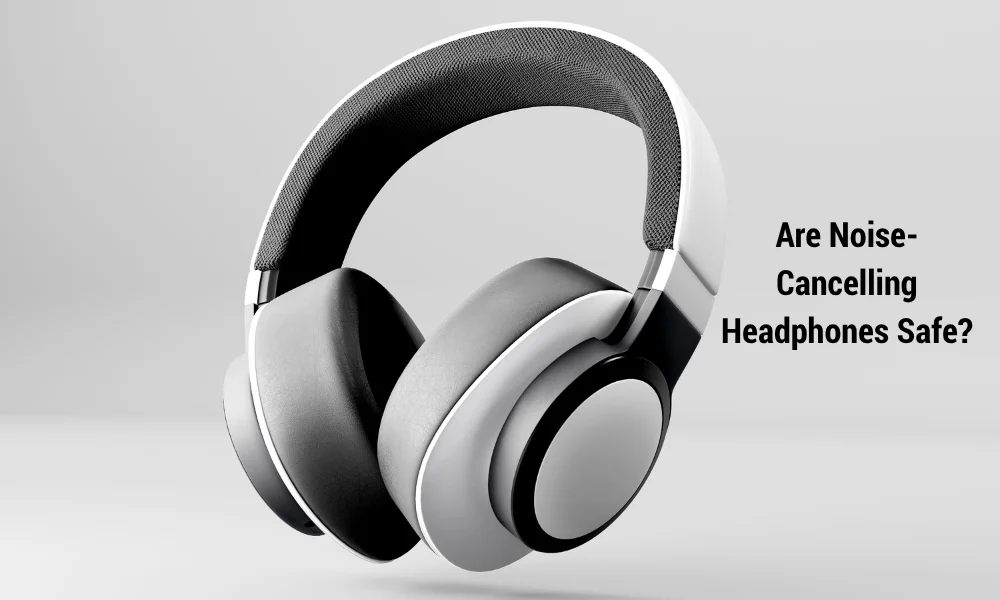
Noise-cancelling headphones have become part of everyday life. People use them while working, studying, traveling, gaming, or simply trying to enjoy a little peace in a noisy place.
But one question comes up often: is noise cancelling bad for your ears?
The simple answer is: noise cancelling itself is generally not the main problem. The bigger risk usually comes from listening at a high volume for too long. Hearing safety depends on volume, listening time, and how often you are exposed to loud sound.
The WHO explains that louder sound becomes risky faster; for example, 80 dB may be safe for up to 40 hours a week, while 90 dB reduces safe listening time to about four hours a week.
So, if you use noise-cancelling headphones properly, they can be safe and even helpful. But like any audio device, they need to be used carefully.
What Does Noise Cancelling Actually Do?
Noise cancelling is designed to reduce background noise around you.
There are two common types:
Passive noise isolation blocks sound physically through the headphone design, ear cushion, or earbud seal.
Active noise cancellation, often called ANC, uses tiny microphones to detect outside sound and then creates an opposite sound wave to reduce that noise.
This works best for steady background sounds like airplane engines, traffic hum, air conditioners, or office noise. It may not block sudden sounds completely, such as shouting, horns, or nearby conversations.
Noise cancelling does not “push” harmful sound into your ears. It simply helps reduce unwanted noise so your listening environment feels quieter.
Is Noise Cancelling Bad for Your Ears?
For most people, noise cancelling is not bad for the ears when used correctly.
In fact, noise cancelling may help some users listen at a lower volume. In noisy places, many people turn up their music or podcasts to cover outside noise.
ANC can reduce that background noise, so you may not need to raise the volume as much.
The real danger is not the noise-cancelling feature.
The real danger is loud sound exposure. NIDCD explains that long or repeated exposure to sound at or above 85 dBA can cause hearing loss, and the louder the sound is, the less time it takes to cause damage.
So, if you are asking, “are noise cancelling headphones bad for your ears?” the honest answer is: not usually. But any headphones can become harmful if the volume is too high for too long.
Does Noise Cancelling Damage Hearing?
Many people search for “does noise cancelling damage hearing” because ANC can sometimes feel unusual. Some users feel pressure, fullness, or a sealed feeling in the ears.
That feeling can be uncomfortable, but it does not automatically mean your hearing is being damaged. It may come from the ear cup seal, the ANC effect, sensitivity to pressure-like sensations, or wearing headphones for a long time.
Hearing damage is more closely linked to loud noise exposure. NIDCD says noise-induced hearing loss happens when harmful noise damages sensitive structures inside the ear.
If noise cancelling makes you uncomfortable, take a break, lower the ANC level if your device allows it, switch to transparency mode, or try a different headphone style.
Are Noise Cancelling Headphones Safe?
Yes, noise cancelling headphones are generally safe for everyday use when you use them responsibly.
They are safer when you:
- Keep volume at a moderate level
- Take regular listening breaks
- Avoid maximum volume
- Use transparency mode when walking outside
- Keep earbuds clean
- Stop using them if you feel pain, dizziness, or ringing
A good rule is to keep your volume around 50–60% whenever possible. The WHO also recommends using noise-cancelling headphones in noisy places because they can help reduce the need to increase volume.
But there is one important point: noise-cancelling headphones are not the same as professional hearing protection. For very loud places like concerts, factories, construction sites, or fireworks, use proper earplugs or certified hearing protection.
If you are shopping for headphones, earbuds, or other tech accessories in the UAE, read our guide on the Best Places to Buy Gadgets in Dubai to find trusted stores, better deals, and smart buying tips.
Why Do Your Ears Feel Pressure with Noise Cancelling?
Some people feel a strange pressure when using ANC headphones. This is one of the reasons people worry that noise cancelling may be harmful.
This feeling does not always mean there is real pressure damaging your ears. It may simply be how your brain reacts to reduced background noise, the tight headphone seal, or the ANC system.
You may notice this more if:
- The headphones are too tight
- You wear them for many hours
- You are sensitive to the ANC effect
- The earbuds create a strong seal
- You use ANC in a very quiet room
If the feeling goes away after removing the headphones, it is usually not a serious issue. But if you experience ear pain, dizziness, ringing, or hearing changes, it is better to speak with a doctor or hearing specialist.
What Actually Makes Headphones Bad for Your Ears?
Headphones become risky when they are used in unsafe ways.
The biggest problems are:
- Listening too loudly
- Listening for too long
- Not taking breaks
- Using maximum volume in noisy places
- Ignoring ringing or ear pain
- Using dirty earbuds
- Wearing headphones in unsafe outdoor situations
CDC/NIOSH notes that noise at or above 85 dBA can increase the risk of hearing loss over time.
So, the question is not only “are noise cancelling headphones safe?” A better question is: how are you using them?
A safe pair of headphones can still become harmful if the volume is too high. On the other hand, noise cancelling can be helpful if it allows you to listen at a lower volume.
Safe Listening Tips for Daily Use
You do not need to stop using noise-cancelling headphones. You just need to use them wisely.
Here are some simple tips:
- Keep volume around 50–60%
- Take a short break every hour
- Avoid sleeping with loud audio playing
- Use ANC in noisy places instead of raising volume
- Use transparency mode when walking near roads
- Clean earbuds regularly
- Do not use ANC headphones as protection in very loud environments
- Pay attention to ringing, pain, or muffled hearing
For busy cities like Dubai, or other high-traffic areas, noise cancelling can be useful during commuting, studying, or office work. But when crossing roads or walking near traffic, you should still stay aware of your surroundings.
When Should You Be Concerned?
You should take ear symptoms seriously if they continue after using headphones.
Speak with a healthcare professional if you notice:
- Ringing in the ears
- Ear pain
- Muffled hearing
- Dizziness
- Trouble understanding speech
- Sudden hearing changes
- Sensitivity to normal sounds
The WHO recommends seeking professional advice if someone has persistent ringing, difficulty hearing high-pitched sounds, or trouble following conversations.
Do not ignore these signs, especially if they happen often.
Noise Cancelling vs Hearing Protection
This is an important difference.
Noise-cancelling headphones are made for comfort, focus, and better listening. They are not designed to protect your ears from dangerous noise levels.
Use proper hearing protection in places like:
- Construction sites
- Factories
- Concerts
- Fireworks shows
- Loud workshops
- Motorsport events
- Shooting ranges
ANC can reduce background noise, but it should not replace certified earplugs or earmuffs in loud environments.
Conclusion
So, is noise cancelling bad for your ears? For most people, no. Noise cancelling itself is not usually the main cause of hearing damage.
The bigger risk is listening at high volume for long periods. If you keep the volume moderate, take breaks, and use the right protection in loud environments, noise-cancelling headphones can be safe for daily use.
In some cases, they may even help you protect your ears by reducing background noise, so you do not feel the need to turn the volume up.
The safest approach is simple: listen at a comfortable volume, give your ears rest, and pay attention to any warning signs.
FAQs
Does noise cancelling damage hearing?
Noise cancelling itself is not usually known to damage hearing. Loud volume and long listening time are the bigger risks.
Are noise cancelling headphones bad for your ears?
They are not usually bad when used properly. They can become risky if you listen too loudly or wear them for very long periods without breaks.
Are noise cancelling headphones safe for daily use?
Yes, noise-cancelling headphones are generally safe for daily use if the volume is moderate and you take breaks.
Why do my ears feel pressure with noise cancelling headphones?
Some people feel pressure because of the headphone seal or the ANC effect. It does not always mean damage, but you should stop using them if the discomfort continues.
Can I use noise cancelling headphones as ear protection?
No. Noise-cancelling headphones are not a replacement for certified hearing protection in very loud places such as factories, concerts, or construction sites.