
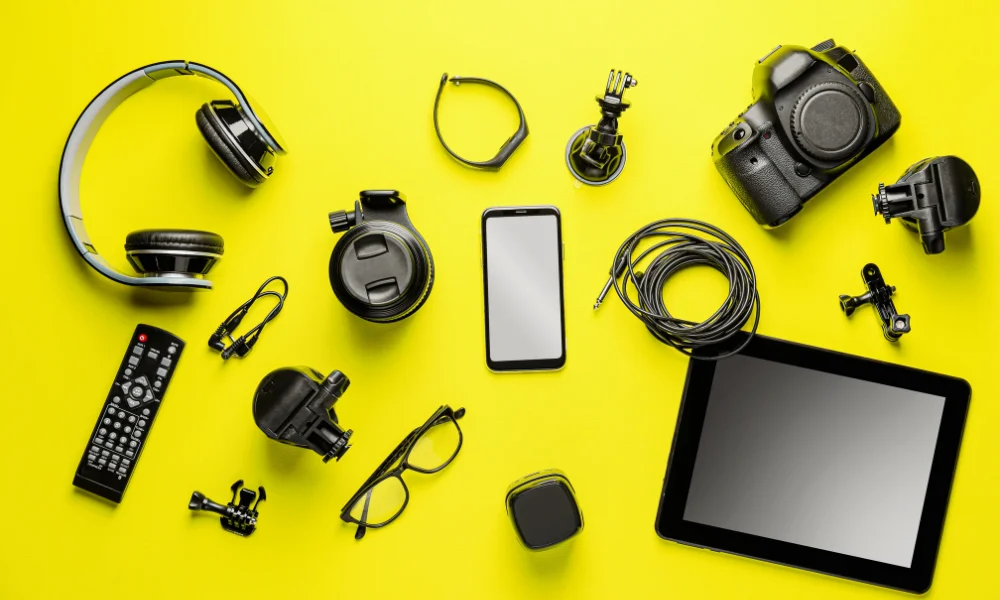
Dubai has become one of the most attractive cities for digital nomads, freelancers, remote workers, creators, consultants, and online business owners. With modern infrastructure, coworking spaces, cafés, serviced apartments, business hubs, and strong global connectivity, the city makes remote work feel smooth and flexible.
Table of Contents
But working remotely from Dubai is not just about carrying a laptop. The city is fast-paced, highly mobile, and often expensive if you are not prepared. You may work from a hotel room in Dubai Marina, a café in JLT, a coworking space in Business Bay, or an airport lounge before your next flight. For that lifestyle, the right tech setup matters.
This guide covers the must-have tech for digital nomads in Dubai, including devices, accessories, connectivity tools, cybersecurity essentials, backup systems, creator gear, and productivity apps that can help you work smarter from anywhere.
Why Dubai Is Popular Among Digital Nomads
Dubai is popular among digital nomads because it offers the kind of infrastructure remote workers need. The city has strong internet access, modern apartments, coworking spaces, international business communities, cafés, transport options, and easy access to global travel routes.
It is also located between Asia, Europe, and Africa, which makes it useful for people working with international clients or teams across different time zones. For many freelancers and entrepreneurs, Dubai offers a professional environment without feeling like a traditional office-based city.
Another reason is flexibility. Digital nomads can work from coworking spaces, serviced apartments, hotels, business lounges, or cafés. Dubai also has a remote work visa route for eligible professionals who work for companies or businesses outside the UAE.
However, to enjoy this lifestyle properly, you need the right remote work setup. Good tech can help you stay productive, secure your data, avoid connectivity problems, and reduce stress during your stay.
Must-Have Tech for Digital Nomads in Dubai
| Tech Item | Why You Need It |
| Lightweight laptop | Your main device for remote work, freelancing, and business |
| eSIM or local SIM | Reliable mobile internet across Dubai |
| Power bank | Backup power for long workdays and travel |
| Universal travel adapter | Dubai commonly uses Type G plugs |
| Noise-cancelling headphones | Helps you focus in cafés, flights, and coworking spaces |
| Portable laptop stand | Improves posture during long work sessions |
| Wireless keyboard and mouse | Makes your setup more comfortable |
| Cloud storage | Keeps files backed up and accessible |
| VPN and security tools | Helps protect data on public Wi-Fi when used properly |
| External SSD | Useful for large files and offline backups |
| Smartphone tripod or gimbal | Useful for creators and social media workers |
| Smart luggage tracker | Helps track bags and work gear during travel |
| Anti-theft backpack | Protects laptop, passport, and devices |
| Productivity apps | Helps manage tasks, meetings, payments, and travel |
1. A Lightweight but Powerful Laptop
Your laptop is the centre of your digital nomad setup. Whether you are a writer, SEO specialist, designer, developer, consultant, video editor, marketer, or business owner, your laptop needs to handle your daily work without slowing you down.
For Dubai, portability matters. You may move between a serviced apartment, café, coworking space, client meeting, and airport in the same week. A heavy laptop can become uncomfortable very quickly. A lightweight but powerful laptop gives you flexibility without making travel difficult.
For basic work like writing, email, research, meetings, and admin tasks, a lightweight ultrabook is usually enough. For design, coding, video editing, or heavy multitasking, you need stronger specifications.
A good digital nomad laptop should have at least 16GB RAM, SSD storage, strong battery life, a good webcam, a reliable microphone, and USB-C charging. Battery life is especially important because you may not always find a power outlet in cafés or public spaces.
If your work depends on speed and reliability, do not choose the cheapest laptop only to save money. A slow laptop wastes time every day. For digital nomads, a good laptop is not a luxury; it is the main work tool.
2. eSIM or Local SIM for Reliable Internet
Reliable internet is one of the most important needs for digital nomads in Dubai. Even if your hotel, apartment, or coworking space has Wi-Fi, you should not depend on one connection only.
An eSIM or local SIM gives you backup internet when café Wi-Fi is slow, hotel Wi-Fi drops, or you need to join an urgent client call while moving around the city. It also helps with maps, ride-hailing apps, food delivery, online payments, emails, and work messages.
For short-term visitors, an eSIM can be convenient because you can activate mobile data quickly without visiting a store. For longer stays, a local SIM may be better because it can offer more suitable data packages for regular use.
If your work involves video calls, file uploads, social media management, or client communication, choose a plan with enough data. Do not assume that every café connection will be stable enough for work.
eSIM vs Local SIM: Which Is Better?
An eSIM is better if you are visiting Dubai for a short stay and want quick setup. It is useful for tourists, short-term remote workers, and digital nomads who do not want to spend time buying a physical SIM.
A local SIM is better if you plan to stay longer, use heavy mobile data, or need a more stable everyday setup. Long-term nomads should compare data plans before choosing.
The safest approach is to have both strong Wi-Fi access and mobile data backup.
3. High-Capacity Power Bank
A power bank is a small item, but it can save your day. Digital nomads use their phones constantly for navigation, payments, messages, meetings, transport, and hotspot sharing. If your phone dies in the middle of the day, it can create real problems.
A 10,000mAh power bank is enough for light users who mainly need phone charging. A 20,000mAh power bank is better for long workdays, flights, events, and people who use multiple devices.
Look for USB-C fast charging, compact design, safety certification, and enough ports to charge more than one device. Some power banks can charge laptops, but make sure your laptop supports USB-C charging and the power bank has enough output.
In Dubai, you may spend a full day moving between metro stations, taxis, cafés, coworking spaces, restaurants, and evening plans. A power bank helps you stay connected without worrying about battery percentage all day.
4. Universal Travel Adapter for UAE Type G Plugs
Dubai commonly uses Type G plugs, which are the same three-pin style used in the UK. If you are arriving from Europe, South Asia, Southeast Asia, or North America, your charger may not fit directly into the wall socket.
A universal travel adapter is essential for digital nomads in Dubai. Choose one that supports Type G plugs and includes USB-C and USB-A ports. A multi-port adapter is even better because it lets you charge your laptop, phone, earbuds, and accessories from one outlet.
A compact GaN charger is also useful because it can replace multiple bulky chargers. If you carry several devices, this can reduce your bag weight.
Your basic charging setup should include a universal adapter, USB-C charger, USB-C cable, phone cable, backup cable, and a small cable organizer. These small items make your work setup cleaner and easier to manage.
5. Noise-Cancelling Headphones
Noise-cancelling headphones are one of the best investments for digital nomads. Dubai has many cafés, coworking spaces, hotel lobbies, airport lounges, and public areas where you can work, but not all of them are quiet.
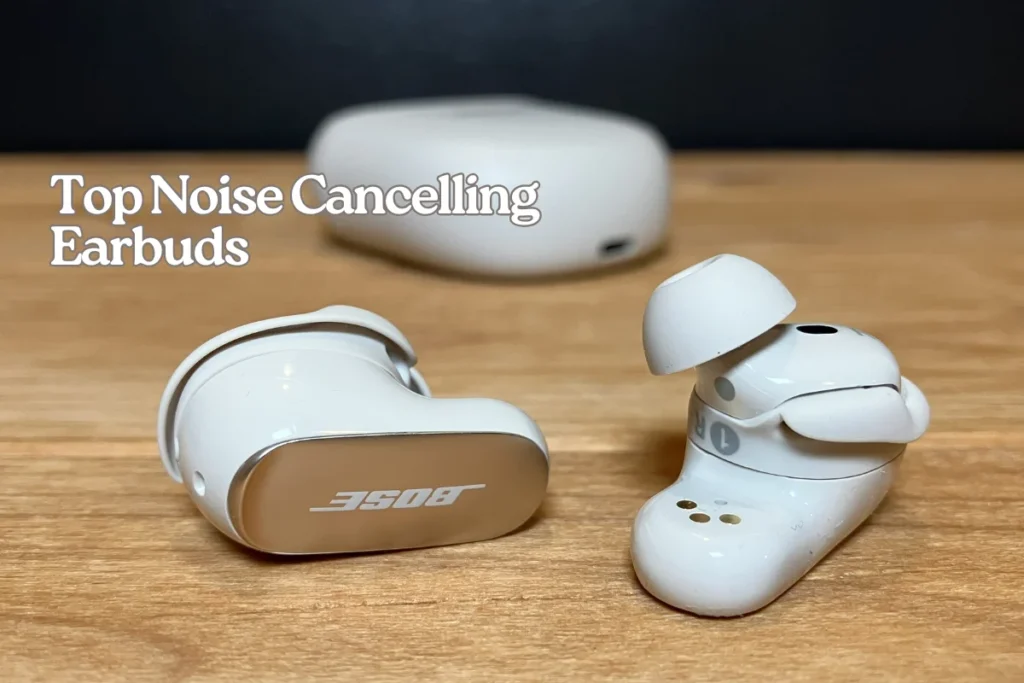
Good headphones help you focus during writing, editing, research, coding, or online meetings. They also improve your call quality if you speak with clients or teams often.
Over-ear noise-cancelling headphones are better for deep work and long sessions. Wireless earbuds are better for walking, commuting, quick calls, and casual use. Some digital nomads carry both: headphones for work and earbuds for movement.
If your work requires frequent Zoom, Google Meet, or Teams calls, choose headphones with a strong microphone. Sound quality is important, but microphone clarity matters even more for professional meetings.
In a busy city like Dubai, noise cancellation helps you create your own work zone wherever you are.
6. Portable Laptop Stand, Keyboard, and Mouse
Many digital nomads work from cafés, hotel desks, dining tables, and coworking spaces. These setups are not always comfortable. If you work directly on your laptop for hours, you may develop neck, shoulder, back, or wrist pain.
A portable laptop stand helps raise your screen to eye level. A wireless keyboard and mouse let you work in a more natural position. Together, these three items can make a big difference in your comfort.
This setup is useful for writers, developers, marketers, designers, consultants, students, and remote employees. It is especially important if you work more than four or five hours a day.
Choose a foldable laptop stand that fits easily in your backpack. A compact Bluetooth keyboard and mouse are enough for most nomads. You do not need a heavy desktop-style setup.
Your body is part of your productivity system. If your setup causes pain, your work quality will suffer. Small ergonomic tools are worth carrying.
7. Cloud Storage and File Backup Tools
Digital nomads should never keep important files in only one place. If your laptop gets damaged, stolen, lost, or suddenly stops working, you need backup access to your work.
Cloud storage helps you access documents, client files, invoices, presentations, photos, videos, and project folders from anywhere. Common options include Google Drive, Dropbox, OneDrive, and iCloud.
For stronger protection, combine cloud storage with an external SSD. Cloud storage is useful for access and sharing, while an SSD is useful for fast offline backups and large files.
A simple rule to follow is the 3-2-1 backup rule. Keep three copies of important files, use two different storage types, and keep one backup online or away from your main device.
This may sound too careful, but for digital nomads, lost data can mean lost income. Backup is not optional if you work with clients or business files.
8. VPN and Cybersecurity Tools
Digital nomads often use public Wi-Fi in cafés, coworking spaces, hotels, airports, and malls. Public Wi-Fi is convenient, but it can also create security risks if you are not careful.
Use cybersecurity tools to protect your passwords, client data, financial information, and work accounts. A password manager helps you create and store strong passwords. Two-factor authentication adds another layer of security. Antivirus or anti-malware software helps protect your devices.
A VPN can be useful for securing work connections, especially when using public Wi-Fi or accessing company systems. However, in the UAE, you should use VPNs responsibly and only for legitimate privacy, business, and security purposes. Do not use VPNs to break laws, access prohibited content, or bypass rules. Always check UAE regulations and your company’s compliance policy.
A basic security setup should include:
- Password manager
- Two-factor authentication app
- Device lock
- Remote wipe option
- Antivirus or anti-malware tool
- Secure cloud storage
- VPN for approved business/security use
- Regular software updates
For remote workers, security is not only personal. It also protects clients, employers, and business data.
9. External SSD for Large Files
An external SSD is very useful for digital nomads who handle large files. This includes video editors, YouTubers, photographers, designers, developers, SEO teams, course creators, and social media managers.
Compared with older hard drives, SSDs are faster, smaller, and more durable. They are useful for storing video footage, design projects, website backups, client files, photo libraries, and offline documents.
A 1TB SSD is enough for many users. A 2TB SSD is better if you work with video, photography, or large creative projects. Choose one with USB-C support so it connects easily with modern laptops.
Even if you use cloud storage, an external SSD is still useful. Internet speeds can vary, and uploading or downloading large files is not always convenient. An SSD gives you fast offline access when you need it.
10. Smartphone, Tripod, and Content Creation Tools
Dubai is a highly visual city. If you are a creator, blogger, influencer, YouTuber, marketer, or social media manager, you need a simple content creation setup.
A good smartphone is enough for many digital nomads. Modern phones can shoot high-quality photos and videos for blogs, Instagram, TikTok, YouTube Shorts, LinkedIn, and client content.
To improve your content quality, carry a mini tripod, phone gimbal, wireless microphone, and portable LED light. A tripod helps with stable shots. A gimbal helps with smooth walking videos. A wireless mic improves sound quality, especially outdoors or in busy areas.
This setup is useful for filming Dubai Marina, Bluewaters Island, Downtown Dubai, cafés, coworking spaces, desert trips, hotels, apartments, restaurants, and travel guides.
If your work includes content creation, do not depend only on handheld phone footage. A small creator kit can make your content look more professional without adding too much weight to your bag.
11. Smart Luggage Tracker and Anti-Theft Backpack
Digital nomads travel with expensive gear. A laptop, phone, camera, SSD, passport, cards, and documents can all fit in one backpack. That means physical security matters.
A smart luggage tracker helps you track your bag when travelling through airports, hotels, taxis, or shared transport. It cannot prevent theft, but it can help locate misplaced luggage faster.
An anti-theft backpack is also useful. Look for hidden zippers, a padded laptop compartment, water-resistant material, RFID protection, and strong shoulder straps. A good backpack should protect your gear and also feel comfortable during long travel days.
A tech pouch is another small but useful item. It keeps cables, chargers, adapters, memory cards, earbuds, and small accessories organized. Without it, your bag quickly becomes messy.
For digital nomads, a backpack is not just a bag. It is a portable office.
12. Portable Monitor for Serious Remote Workers
A portable monitor is optional, but it can be very useful for serious remote workers. If you are a developer, designer, data analyst, SEO specialist, video editor, trader, or consultant, a second screen can improve your productivity.
A portable monitor lets you work with two screens in a hotel room, serviced apartment, coworking space, or temporary office. You can keep research on one screen and work on the other. Developers can code on one screen and preview results on another. Marketers can compare data, dashboards, and documents more easily.
Choose a lightweight USB-C monitor that does not require complicated setup. Make sure it fits your bag and works with your laptop.
Not every digital nomad needs this. If you are only staying in Dubai for a few days, it may be unnecessary. But if you are staying for several weeks or months and working full-time, a portable monitor can be worth it.
13. Productivity Apps for Digital Nomads in Dubai
Tech is not only about gadgets. Apps are also part of your digital nomad setup.
Before arriving in Dubai, prepare your essential apps. For navigation and transport, use map apps, ride-hailing apps, and public transport apps. For work, set up Slack, Zoom, Google Workspace, Microsoft Teams, Notion, Trello, Asana, ClickUp, or any tool your team uses.
For finance, use banking apps, digital wallet apps, invoice tools, and expense trackers. For travel, keep airline apps, hotel apps, eSIM apps, and booking apps ready. For security, use a password manager and authentication app.
A good app setup helps you avoid confusion after arrival. You should not be downloading important tools at the last minute before a meeting or airport transfer.
For Dubai specifically, make sure your transport, payment, communication, work, and backup apps are ready before your first workday.
14. Best Places to Use Your Tech Setup in Dubai
Your tech setup becomes more useful when you know where to work. Dubai has many areas that suit different types of digital nomads.
JLT is popular for people who want a balance between work, food, and lifestyle. It has cafés, offices, apartments, and access to Dubai Marina.
Dubai Marina and JBR are good for lifestyle-focused nomads and content creators. The views are excellent, but cafés and restaurants can be more expensive.
Business Bay and Downtown Dubai are better for professionals, consultants, and entrepreneurs who want a more corporate environment.
Dubai Internet City and Dubai Media City are good for tech workers, startup professionals, marketers, and media-related remote workers.
Deira and Bur Dubai can be better for budget-conscious visitors who want lower-cost food and a more traditional side of the city.
Coworking spaces are best for long work sessions, client calls, meetings, and stable productivity. Cafés are better for short sessions, creative work, or casual laptop time.
Budget vs Premium Digital Nomad Tech Setup
| Setup Type | Best For | Suggested Gear |
| Budget Setup | Short-term nomads, writers, students | Laptop, eSIM, power bank, basic earbuds, cloud storage |
| Mid-Range Setup | Freelancers, marketers, consultants | Laptop, headphones, laptop stand, keyboard, mouse, SSD, security tools |
| Premium Setup | Creators, developers, business owners | Powerful laptop, portable monitor, SSD, wireless mic, gimbal, premium headphones, anti-theft backpack |
A budget setup can work if your tasks are simple and your stay is short. A mid-range setup is better for most freelancers and remote workers. A premium setup is best if your income depends heavily on speed, content quality, multitasking, or client work.
The right setup depends on your work type, not just your budget.
Mistakes Digital Nomads Should Avoid in Dubai
Many digital nomads arrive with a laptop and phone but forget the small things that make daily work easier. Avoid these common mistakes:
- Depending only on hotel Wi-Fi
- Not buying enough mobile data
- Forgetting a Type G travel adapter
- Carrying only one charging cable
- Using weak passwords
- Ignoring two-factor authentication
- Not backing up important files
- Working long hours without a laptop stand
- Carrying too much unnecessary gear
- Not checking coworking space costs
- Trying to work outdoors during very hot afternoons
- Not checking local rules for apps, calls, or VPN use
- Leaving devices unattended in public places
Most of these problems are easy to avoid. A little preparation before arriving can make your Dubai remote work experience much smoother.
Final Digital Nomad Tech Checklist for Dubai
Before travelling to Dubai, check that you have:
- Laptop
- Smartphone
- eSIM or local SIM plan
- Power bank
- Universal Type G travel adapter
- USB-C charger
- Backup charging cables
- Noise-cancelling headphones
- Cloud storage
- Password manager
- Two-factor authentication app
- Laptop stand
- Wireless keyboard and mouse
- External SSD
- Tech pouch
- Anti-theft backpack
- Luggage tracker
- Portable monitor, optional
- Tripod or gimbal, optional
- Wireless microphone, optional
- Travel or device insurance, optional but useful
You do not need every item on this list. Start with the essentials, then add extra gear based on your work style.
Frequently Asked Questions
What tech do digital nomads need in Dubai?
Digital nomads in Dubai need a reliable laptop, eSIM or local SIM, power bank, universal travel adapter, noise-cancelling headphones, cloud storage, cybersecurity tools, and basic ergonomic accessories. Creators may also need a tripod, wireless mic, gimbal, and external SSD.
Is Dubai good for digital nomads?
Yes, Dubai is a strong destination for digital nomads because it offers modern infrastructure, coworking spaces, business-friendly services, transport options, international connectivity, and a remote work visa route for eligible applicants.
Do I need an eSIM in Dubai?
An eSIM is useful for short-term digital nomads because it gives quick access to mobile data. Long-term visitors may prefer a local SIM plan depending on their stay, budget, and data needs.
Can digital nomads work from cafés in Dubai?
Yes, many digital nomads work from cafés in Dubai. However, coworking spaces are usually better for long work sessions, private calls, meetings, stable internet, and professional productivity.
What plug adapter do I need in Dubai?
Dubai commonly uses Type G plugs, so many travellers need a universal travel adapter or a UAE-compatible charger. A multi-port adapter with USB-C is useful if you carry several devices.
Is public Wi-Fi safe for remote work in Dubai?
Public Wi-Fi can be useful, but it should be used carefully. Digital nomads should avoid sensitive transactions on unsecured networks, use strong passwords, enable two-factor authentication, keep software updated, and use approved security tools.
What is the best laptop for digital nomads in Dubai?
The best laptop depends on your work. Writers and marketers can use lightweight ultrabooks, while developers, designers, video editors, and creators may need more powerful laptops with higher RAM, better processors, and stronger storage.
Do digital nomads need a portable monitor?
A portable monitor is not essential for everyone. It is most useful for developers, designers, analysts, video editors, traders, and long-term remote workers who need a larger workspace.
Should I buy tech before arriving in Dubai?
If you already know what you need, it is usually better to prepare essential items before travelling. However, Dubai also has many electronics stores and online shopping options if you need to buy accessories after arrival.
Is a power bank necessary in Dubai?
Yes, a power bank is very useful. Digital nomads often depend on phones for maps, ride-hailing, messages, payments, meetings, and hotspot internet. A power bank keeps your phone and accessories running during long days outside.